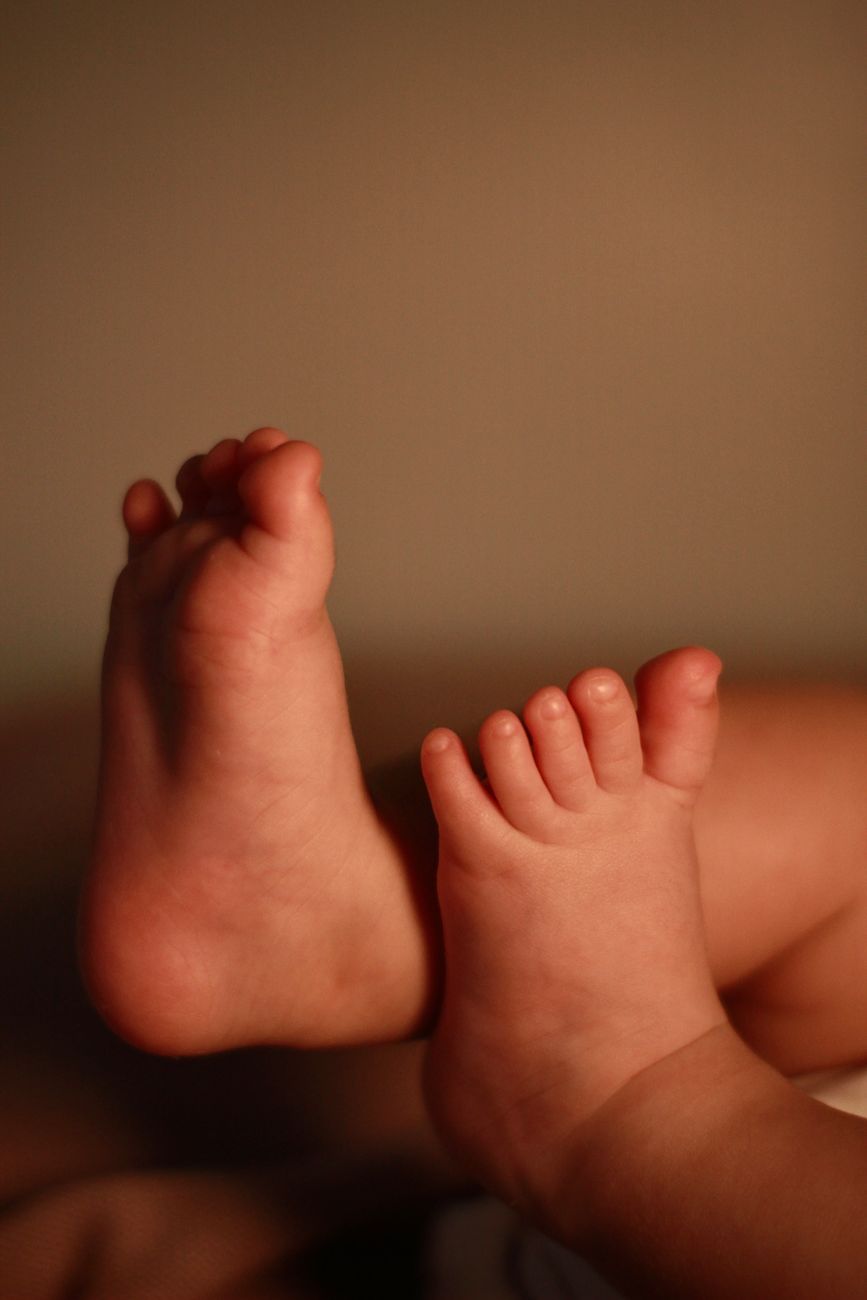
As we read in the Book of Genesis, (25:19–26) our matriarch Rivka gives birth to twins. The first to emerge is covered with hair, and the Torah tells us, “They named him Esau,” a play on the Hebrew word se’ar, meaning “hair.” The second child appears grasping his brother’s heel, and he is named Yaakov (Jacob), a play on ekev, “heel.” The word ekev can also mean “on the heel of,” or “as a consequence of,” and that understanding gives this week’s parashah its name: Ekev. The opening verse reads, “V’haya ekev tishme’un”—“Consequently, if you obey these statutes and keep them,” referring to the laws listed in the previous section of Torah.
The word ekev can also mean “reward,” leading some commentators to translate the verse as, “This shall be the reward when you obey these statutes…”
But a close reading of the naming story in Genesis raises an intriguing question. When Esau is named, the Torah says, “They (va-yikru) named him Esau.” When Yaakov is named, however, the Torah says, “He (vayikra) named him Yaakov.” The Rabbis noticed this shift from plural to singular and concluded that the “He” who named Yaakov must be none other than God. In this interpretation, Yaakov’s name has nothing to do with a heel at all.
Instead, Midrash Tanchuma teaches that each letter of Yaakov’s name symbolizes a foundational element of Jewish life: the yud for the Ten Commandments; the ayin (seventy) for the seventy elders appointed by Moses; the kuf (one hundred) for the height of the Temple; and the bet (two) for the two tablets of the covenant.
The Rabbis thus challenge our understanding of Yaakov’s name. They transform it from a child grasping at his brother’s heel to a name that encodes the very core values of Judaism. Perhaps these different understandings of Yaakov/Jacob’s name can be harmonized. If we grasp onto the teachings of our tradition, we reinforce that sacred core. Consequently, reward in the form of blessings will surely follow.
Shabbat Shalom
Photo by Leonardo Vieira on Pexels.com


Leave a comment