When I spoke regularly from the pulpit, I would often talk about Israel. My pulpit, I determined, would be a place where Israel’s goodness, promise, and achievements were emphasized. Heaven knows, my congregants could hear criticism of Israel from many places, but my pulpit would be a place of “ahavat Yisrael” – love of Israel. I led several congregational trips so that members could see firsthand what a marvel the Jewish State truly is.
Particularly now, when Israel continues to be vilified in the press, the internet and by political extremists right and left, it is vital to remind people the gem that Israel remains.
Israel is known as “the start-up nation”, a global leader in the development of cutting-edge technology that has improved life for people all over the world. Israel is known for its military prowess. But an interview I recently heard on Tikvah.org of Geoge Deek, newly appointed Israel Special Envoy to the Christian World, highlighted another reason to be proud of Israel: she is the only country in the Middle East that protects religious minorities and that allows freedom of worship.
Across the Islamic world there has been a systematic ethnic cleansing of historic Christian communities in the 21rst century – the Christian population has declined from over 20% of the population in these countries to less than 2% today. In Israel, by contrast, there has been a 400% increase in the Christian population since 1952. 85% of these are Arab Christians. The number of churches in Israel has doubled, from 150 in mid-twentieth century to over 300 today. Christians are 1.6% of the population but make up 4% of PhD. holders.
Israel is truly a multi-ethnic, multi-racial society that guarantees freedom of religion and equal rights to women and people of all genders and sexual orientations. That is something that Jews should be proud of and something that should be celebrated by those who say they value diversity and inclusion.
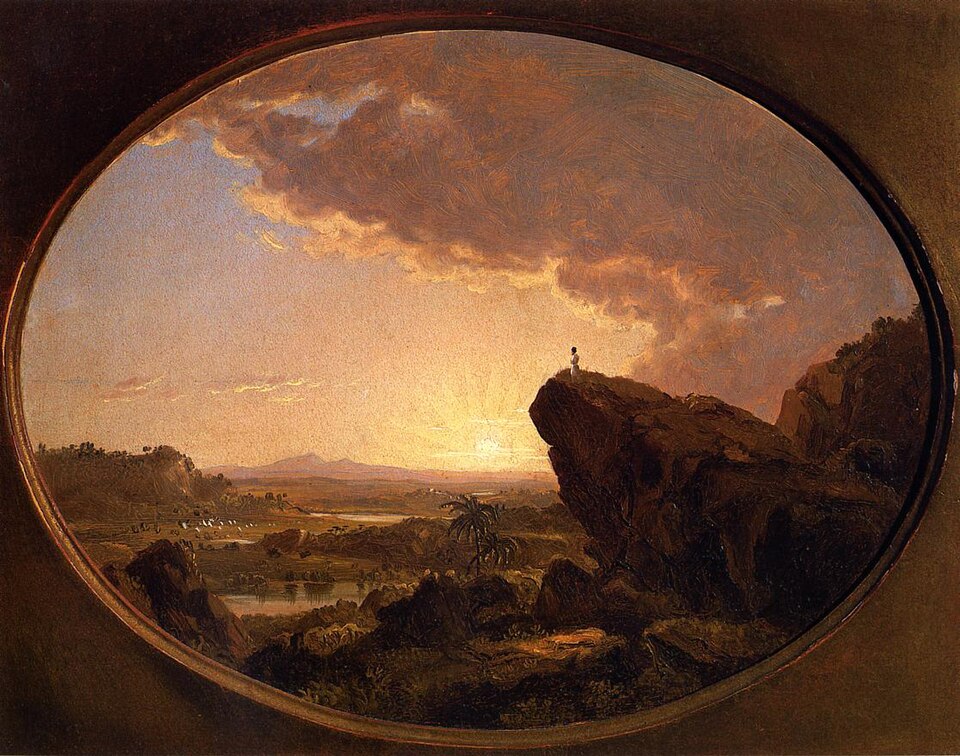
Our Torah reading for this week opens with Moses imploring God to allow him to enter the Promised Land. “Allow me to cross over into the good land across the Jordan River,” he says. (Deuteronomy 3:25) The Kotzker Rebbe interprets this to mean that Moses wants the privilege of seeing “the good aspect” of the Land of Israel – unlike the spies, who a generation earlier brought back reports of only the things that troubled them.
May we all be privileged to see the “goodness” of the State of Israel in our own time.
Shabbat Shalom


Leave a Reply