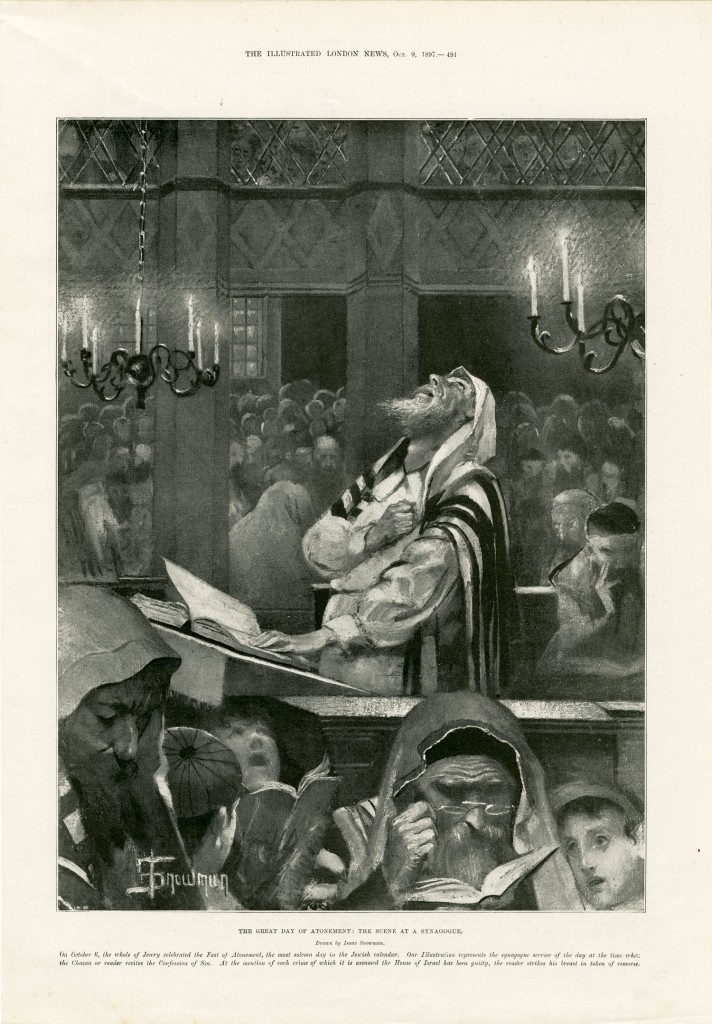
Those of us who have attended Yom Kippur services may be familiar with the term Vidui (vee-DOO-ee) — confession. The prayers that make up the Vidui are recited ten times over the course of Yom Kippur! The best‑known among them are Ashamnu and Al Chet — the latter more familiar to many by its English refrain, “For the sins we have committed before You….” With each sin we name, we strike our hearts, acknowledging the ways we have fallen short.
This week’s Torah portion marks the first time the Torah uses a word meaning “confession.” We read that when a person commits a “wrong,” they must confess the sin and make restitution — returning what was taken, adding a fifth, and giving it to the one who was wronged (Numbers 5:6–7). In context, the wrongdoing is clearly theft: taking money or property that does not belong to us.
Rabbi Yitzchak Meir Rotenberg Alter, the founder of the Ger Hasidic dynasty (d. 1866), reminds us that verbal confession — speaking our wrongdoing aloud — is the foundation of teshuvah, repentance, for any sin. So why, he asks, does the Torah introduce the concept of confession specifically in the context of theft?
His answer: God grants us life and the power to act so that we may use them in accordance with God’s will. When we take the life‑force and agency God has entrusted to us and use them in ways that run contrary to God’s desires, we are, in a sense, stealing from God. Every misuse of our God‑given gifts is a kind of theft. Thus, every sin — no matter its form — has its root in this fundamental act of taking what is not ours to take.


Leave a Reply