Last Monday night, Middy and I received a call from my nephew with wonderful news: he and his wife are expecting a baby. Their joy quickly became ours, filling our family with hope for the future. I cannot help but wish that this happy moment might inspire others in the younger generation to begin families of their own. Time will tell whether that hope comes to fruition.
Their news also reminded me of a young Jewish couple I once met who were preparing for marriage. After getting to know them, they asked me to officiate. I agreed, and they asked, “What are your non‑negotiables?” I had never heard the term used that way. They explained that other rabbis had required premarital counseling, psychological testing, or financial advising before agreeing to perform the ceremony. Without thinking, I told them I had no such demands. They were in their early thirties, had dated for ten years, and lived together for five. They were already a seasoned couple. But then I realized I did have one non‑negotiable: before the wedding, I wanted them to be screened for Jewish genetic disorders.
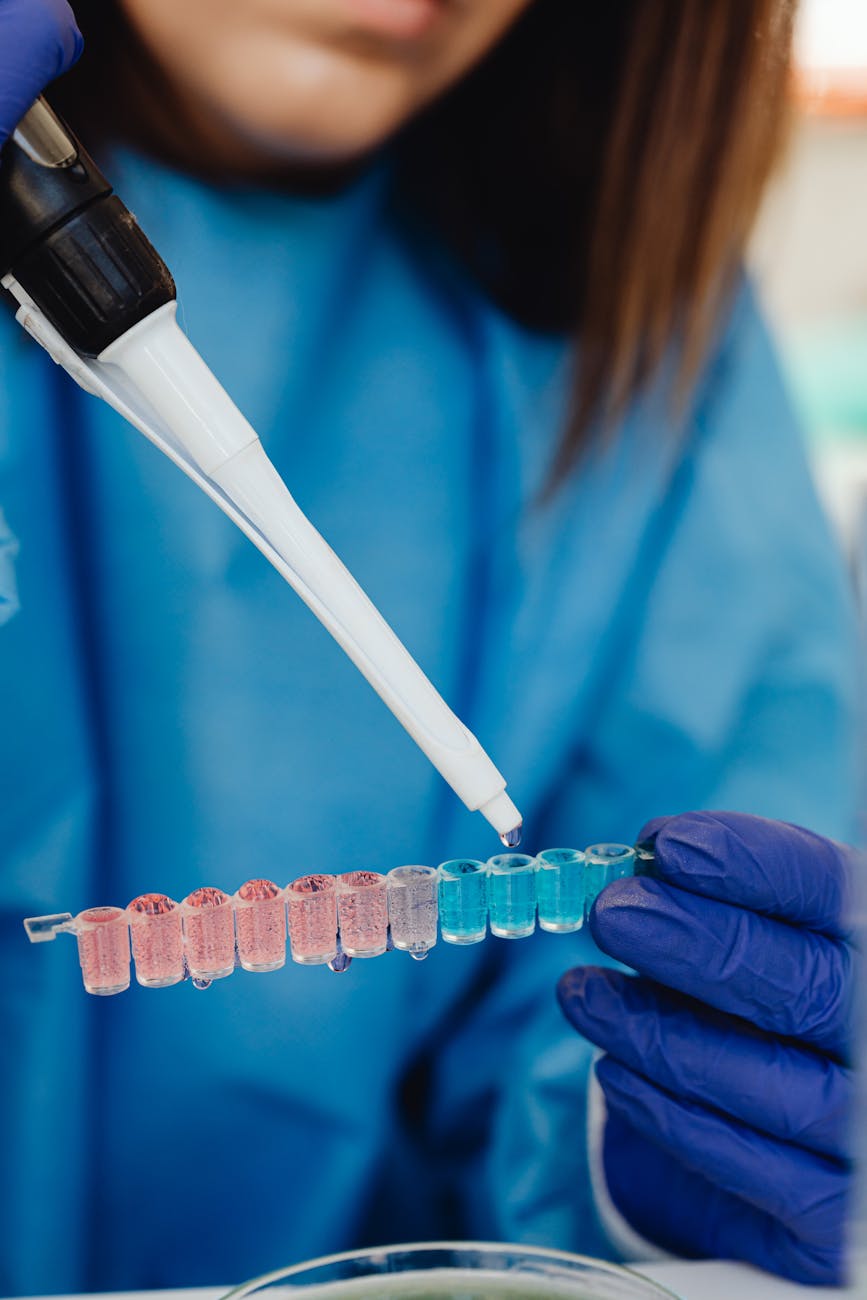
Genetic screening should be a routine part of wedding planning for any Jew hoping to build a family. At least one in four Ashkenazi Jews carries a recessive gene for a Jewish genetic disorder. Twenty years ago, we could test for only four conditions; today, we can screen for 261. This applies not only to those who identify as Jewish but to anyone with Ashkenazi or Sephardi ancestry—and even to interfaith couples, since non‑Jews may also carry these genes.
This week’s parasha, Tazria‑Metzora, focuses on afflictions and the importance of safeguarding health. In our time, knowledge is the key to prevention. Screening is simple, affordable, and potentially life‑changing. As we pursue the mitzvah to “be fruitful and multiply,” let us also embrace the responsibility to protect future generations.
Shabbat Shalom,
Rabbi Marc D. Rudolph
Photo by http://www.kaboompics.com on Pexels.com


 Rabbi Marc D. Rudolph
Leave a comment