Our Torah reading for this week which opens the Book of Leviticus, begins “He called to Moses”. That is an unusual beginning to a verse. The “He” in the verse is anonymous. In the words of Leonard Cohen, “Who should I say is calling?”
There is another unusual feature of this opening verse. The final letter of the word for “he called” (va-yik-rah in Hebrew) is written smaller than the other letters. It is a small alef. What meaning does that have? What are we supposed to learn from this?
Rabbi Menachem Nahum of Chernobyl, author of a collection of homilies known as “Meor Eynaim” suggests that the small “alef” at the end of the word vayikrah represents God, who has “contracted” Himself and whose Divine Presence is in every human being. When a person is about to do something wrong, something “calls” to them from within. Some call it a “conscience”, Freud called it the “superego” and some psychologists call it the “true self”. Rabbi Menachem Nachum believes it is the Divine voice that is calling to us. But “Who should I say is calling?” The tragedy is that we do not recognize that it is God who is calling.
The entire verse reads, “He called to Moses; And God spoke to Moses in the Tent of Meeting”. The second part of the verse identifies the speaker. The voice that is calling is no longer unknown. No longer anonymous. When we acknowledge the voice that is calling and recognize it for what it is, we are ready to do Teshuva, to return to God.
Sometimes we want to do something wrong. Something stops us. Perhaps it is God working in our lives.
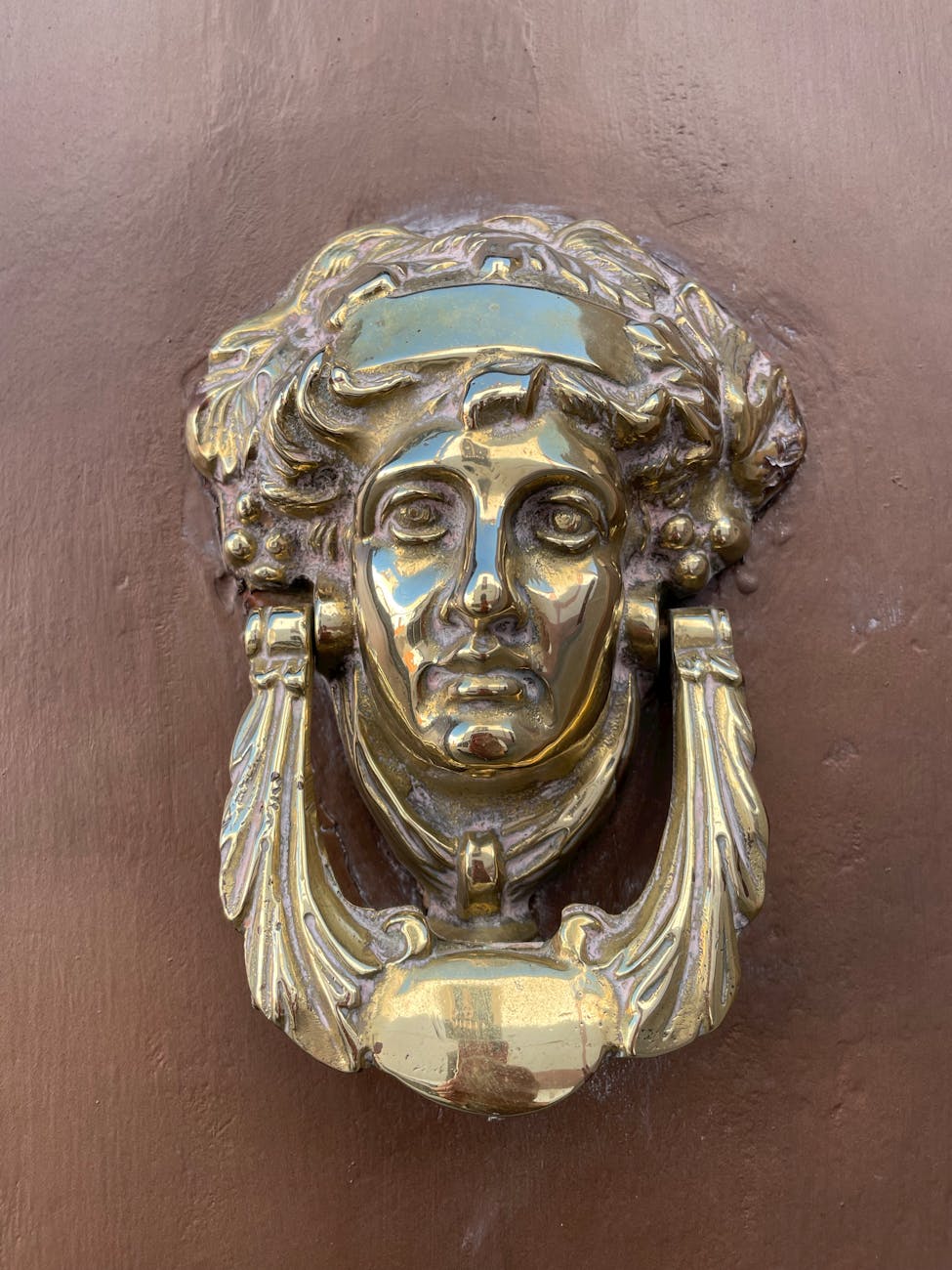
Photo by Petra Nesti on Pexels.com


Leave a Reply