Our holy Torah knows of no unflawed or perfect people. Despite the high esteem that we hold for Abraham, the Bible does not present him as without faults. When a famine drives him and his wife to Egypt, the Torah tells us that Abraham is concerned for his own safety. (Genesis 12:10-20) What if the Egyptians see his beautiful wife and kill him so that they can take her for themselves? “Please tell them that you are my sister,” says Abraham to his wife Sarah. The medieval biblical commentator Nachmanides sees this as a great sin. Better he should have better trusted in the protection of G-d, than to have asked for such a sacrifice from his wife. As it is, Sarah is taken to the Pharaoh, and it is only through the intervention of God that Pharaoh is prevented from taking her as his wife. Yet not having learned the lesson, Abraham repeats the mistake with another king in another foreign land! (Genesis 20:1-18).
Then there is the episode of the binding of Isaac. (Genesis 22:1-14) How could Abraham argue so passionately with God over the destruction of Sodom and Gomorrah (Genesis 18:17-33) – “If there are only ten righteous people in the cities, will You not save the city for the sake of the ten?” but when it comes to the destruction of his own flesh and blood, his beloved son Isaac, he does not raise any protest whatsoever? Abraham seems more concerned with the stranger than he is with his own family. So it is with all of the heroes of the Bible. Isaac with his naiveté, Jacob with his dishonesty, Moses and his temper, Aaron and his lack of a backbone, King David with his lust. All are deeply flawed individuals who do great things despite their shortcomings which the Bible does not hide from us.
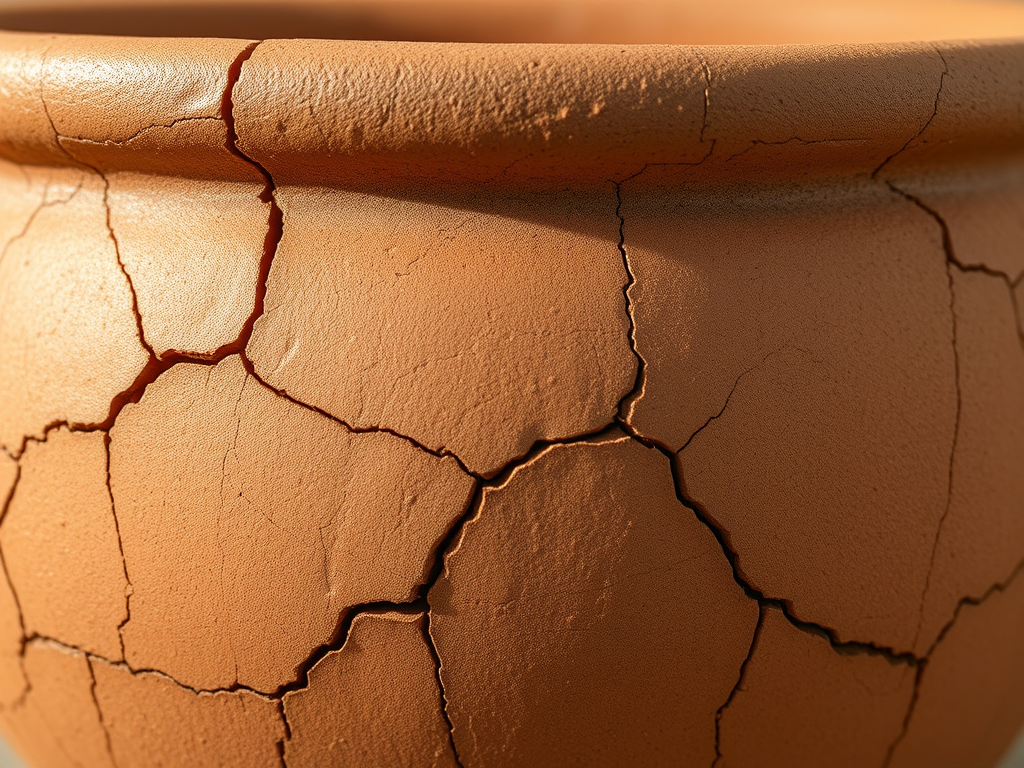
The sage Alexandri, who lived during the time of the Talmud, used to say, “When a common man uses a broken vessel, he is ashamed of it, but not so with the Holy One. All the instruments of His service are broken vessels.” Our tradition understands that we are all flawed human beings, even the greatest among us. We are all obliged to work toward repairing our flaws. But our brokenness does not, and should not, excuse us from acting in the world to alleviate pain, to address suffering, and to do good works. We can grow every day toward reaching our full potential as husbands and wives, as mothers and fathers, as friends, as workers, and as citizens. In doing so, we fulfill our Creator’s mission for us here on earth.

 Rabbi Marc D. Rudolph
Leave a comment