“Excellence I can reach for. Perfection is God’s business” – Michael J. Fox
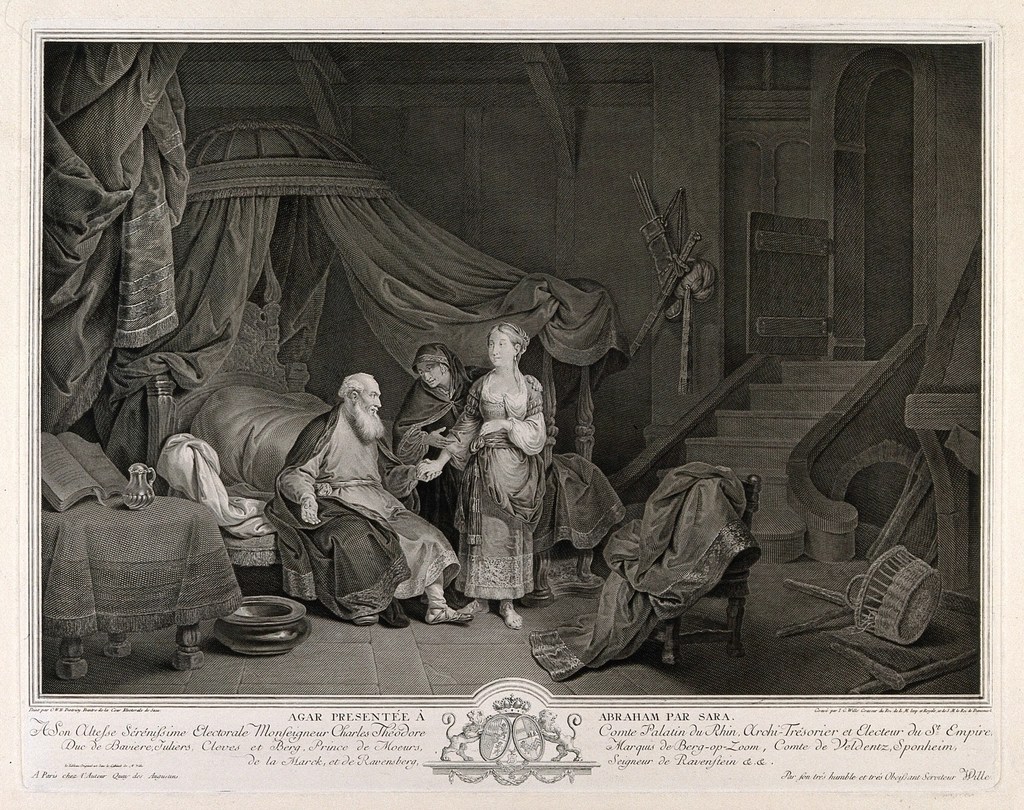
In this week’s Torah portion (Genesis 16:2) we find Sarah and Abraham childless at an advanced age. Sarah has a maidservant named Hagar. She suggests that Abraham might have a child with her, who Sarah and Abraham could then adopt and raise as their own. Abraham agrees to the arrangement, but as soon as Hagar conceives, Sarah regrets her decision. Sarah complains to Abraham, “I gave you my maid so we could have a child, and as soon as she became pregnant, I was despised in her eyes.” Feeling diminished by Hagar’s insolence and jealous of Hagar’s ability to have a child when she could not, Sarah “treated her harshly”. (Genesis 16:6) One Rabbinic legend even holds that Sarah cast an evil eye on Hagar and Hagar miscarried!
You may think that for the Rabbis to ascribe such a vile action on to such a saintly figure as “Sarah Imanu”, Sarah, our mother, would be an act of impudence and impiety. However, neither the Rabbis nor the Torah itself hide from us the faults, errors and weaknesses of our great men and women. When we read their stories, we can identify with them precisely because they are not perfect. The fact that we are told about their faults and weaknesses does not detract from our appreciation, even reverence of them. Indeed, it adds to their stature and makes their life stories even more instructive. Had they all been portrayed to us as models of perfection we would have believed that they were born that way and therefore were divine beings beyond our capacity to emulate.
Rabbi Jonathan Sacks, z’l’ writes, “No religion has held a higher view of humanity than the Book that tells us we are each in the image and likeness of God. Yet none has been more honest about the failings of even the greatest. God does not ask us to be perfect. He asks us, instead, to take risks in pursuit of the right and the good, and to acknowledge the mistakes we will inevitably make.”

 Rabbi Marc D. Rudolph
Leave a comment