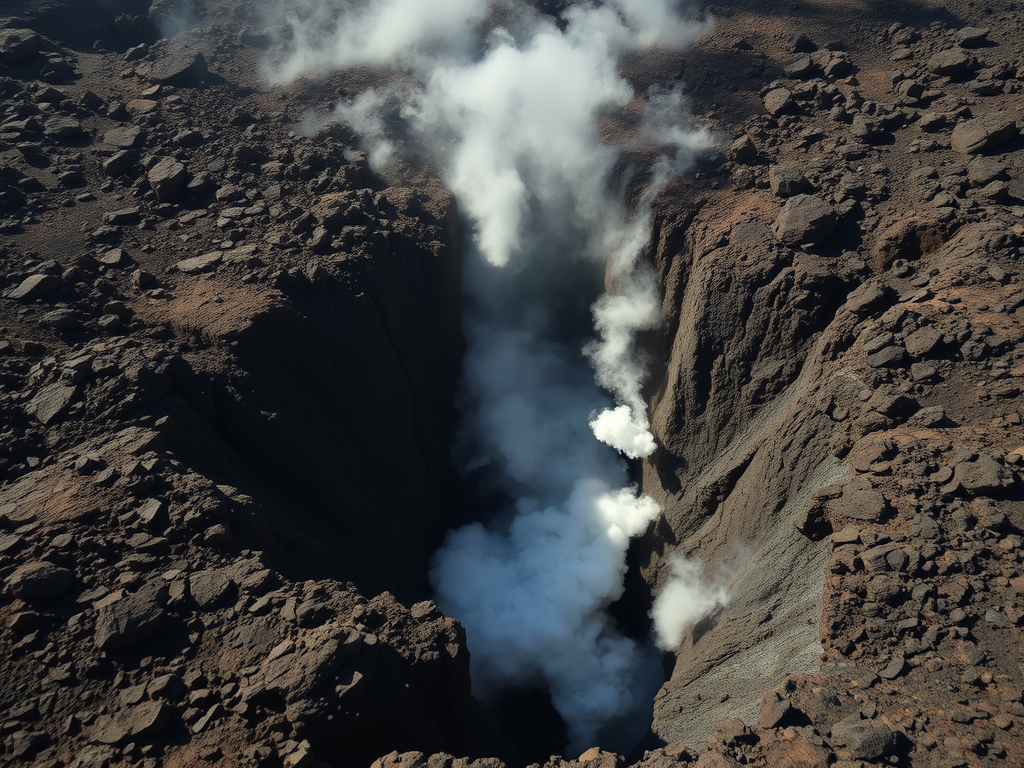
Our Torah reading this week (Numbers 16) concerns the most serious rebellion confronted by Moses in all of the forty years in the desert. A man named Korach leads an uprising of 250 Israelites, “chieftains of the community …. men of repute” against Moses, saying, “All of the community is holy, all of them, and God is in their midst. Why do you raise yourselves above God’s congregation?”
Moses points out that as “Levites” and chieftains, the rebels already hold privileged positions among the Israelites, yet they seek more! But they refuse to listen. God instructs Moses to order Korach and his followers to a show-down of sorts. The next day they are to appear before the “Tent of Meeting” with fire pans and incense, instruments of worship in the sanctuary. Moses and Aaron will do the same. What happens next is extraordinary. “All Korach’s people and all their possessions” are swallowed by the earth. Fire then consumes the 250 followers who brought their firepans and incense. The rebellion against Moses was in fact a rebellion against God, and God has decided the appropriate response.
According to Rabbenu Bachya (d.1340 Spain) this punishment exemplifies the concept of “measure for measure” (mi-dah ke-neged mi-dah). Korach raises himself above his station, challenging the will of God. For this sin of arrogance, he is brought low, literally – “and the earth opened its mouth and swallowed them up…” (Numbers 16:33). The 250 men who bring firepans and incense are judged by fire. We might call this “poetic justice”.
Did those who were swallowed by the earth die? The Talmud (Baba Batra 74a) relates the story of Rabbi Bar Bar Hanah, who once happened upon a rift in the earth with smoke coming out. The Rabbi put his ear to the rift and heard Korach and his followers proclaiming, “Moses and his Torah are true, and we are liars”. That, perhaps, was their ultimate punishment.

 Rabbi Marc D. Rudolph
Leave a comment