We tend to think of “folk music” as music with no known composer that arises spontaneously out of a culture and that is passed down orally from one generation to another. The Hebrew song, “Eretz Zavat Chalav U-Devash” is one such folk song. The four words that compromise the lyrics of this song are first found in the Book of Exodus where Moses tells the enslaved Israelites that God will lead them to “A land flowing with milk and honey.” Last week we read in our Torah portion of the spies that Moses sends to reconnoiter the Land of Canaan. They report back to Moses saying that the land is indeed “Flowing with milk and honey” before they proceed to sow dissent among the Israelites by claiming that the inhabitants of the land are too strong, and it cannot be conquered. In this week’s Torah reading we have Korach, the leader of a rebellion against Moses, also using the term “A land flowing with milk and honey.” But here Korach is hurling an accusation against Moses: “Is it not enough that you brought us up from a land flowing with milk and honey to cause us to die in the wilderness…..? Here, Korach brazenly describes the land of Egypt, the land of Israelite enslavement, as “A land flowing with milk and honey”.
Who can fault us if we believe that the song “Eretz Zavat Chalav U-Devash” is as old as the Bible itself, and sprouted fully formed from the mouth of ahm yisrael? In fact, the song was composed by Israeli songwriter and choreographer Eliyahu Gamliel in the 1950s. The song is part of the canon of Israeli folk songs and is a staple of Israeli folk dancing. Perhaps the most interesting recording of the song was done by the jazz singer Nina Simone in 1962. There is a video on You Tube of her performance here.
It is clear that in describing the Land of Canaan as “flowing with milk and honey” the Bible is saying that it is a fertile land that will be able to sustain the Jewish people when they settle it. But we are not certain what the Hebrew phrase, eretz zavat chalav u-devash, literally means. Some maintain that the spies saw wild goats foraging among the thickets and forests that covered the hills of Canaan, and that they concluded there was a natural supply of milk. Those same thickets were the home to many varieties of flowers, which fed wild bees that made honey. Rashi (commentary on Exodus 13:5) agrees that the milk is the milk of goats but believes that the honey mentioned refers to dates and figs, from which a sweet syrup can be made. [You can find a video on how to make date honey here.]
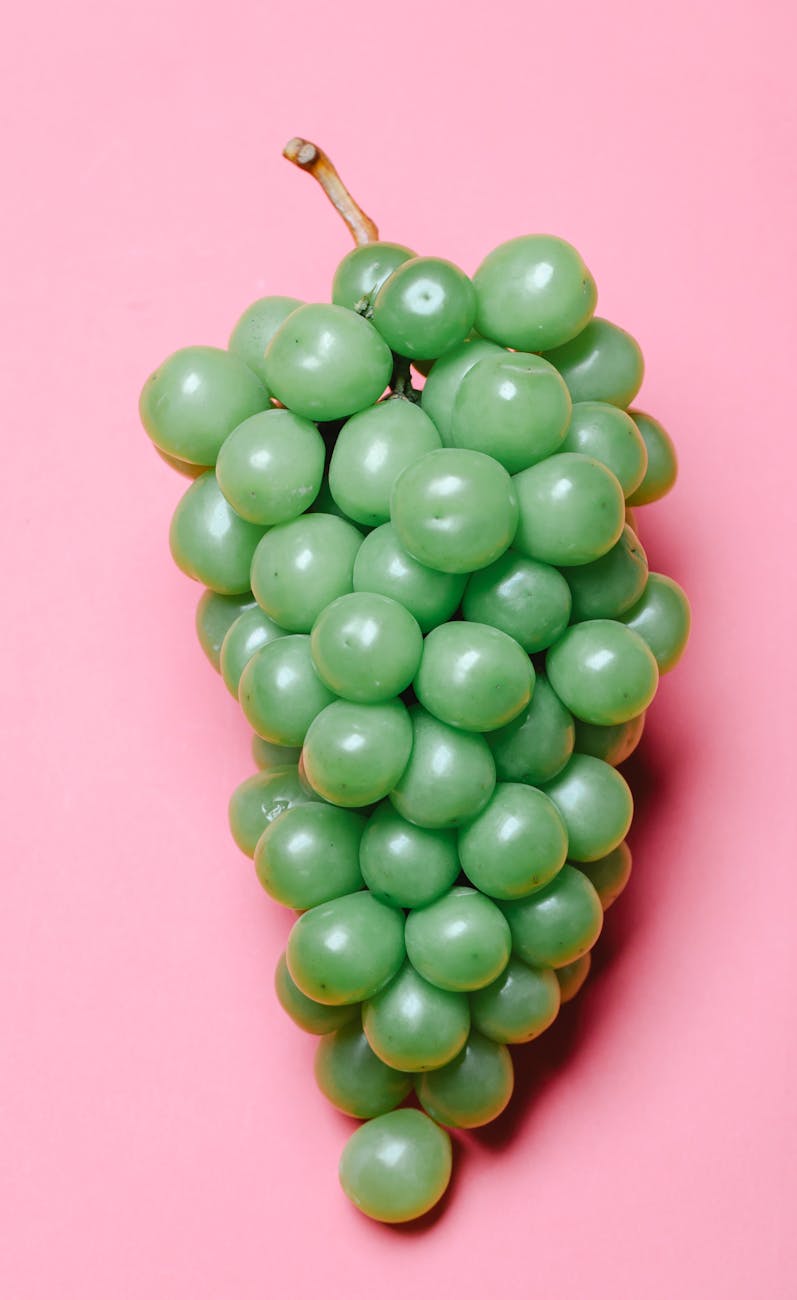
There are those who cite textual support for their belief that the “milk” is not the milk of wild goats, but rather grapes from which white wine is made. The Torah mentions “seven species”– seven agricultural products–for which the land is renowned. (Deuteronomy 8:8) These are wheat, barley, grapes, figs, pomegranates, olive oil, and dates. The spies return with grapes, pomegranates, and figs (Numbers 13:23). In Numbers 13:27 they report that “We arrived at the Land to which you sent us, and it indeed flows with chalav and d’vash , and this is its fruit.” Apparently, the spies then showed them the grapes, pomegranates and dates and/or figs that they returned with — and not milk! The argument goes that “milk” is not an agricultural product — it is an animal product, not a fruit — and therefore chalav cannot possibly be “milk” in this context. “Milk” just doesn’t belong in this grouping of grains and fruits.
Perhaps the term “eretz zavat chalav u-devash” simply refers to a land where both herders and farmers can prosper. In any case, may we all be privileged to eat from both the animal and agricultural products of the Land of Israel.
Photo by Any Lane on Pexels.com
 Rabbi Marc D. Rudolph
Leave a comment